
Yaser Jabbar Case
Yaser Jabbar Case
1. Overview (What is the case?)
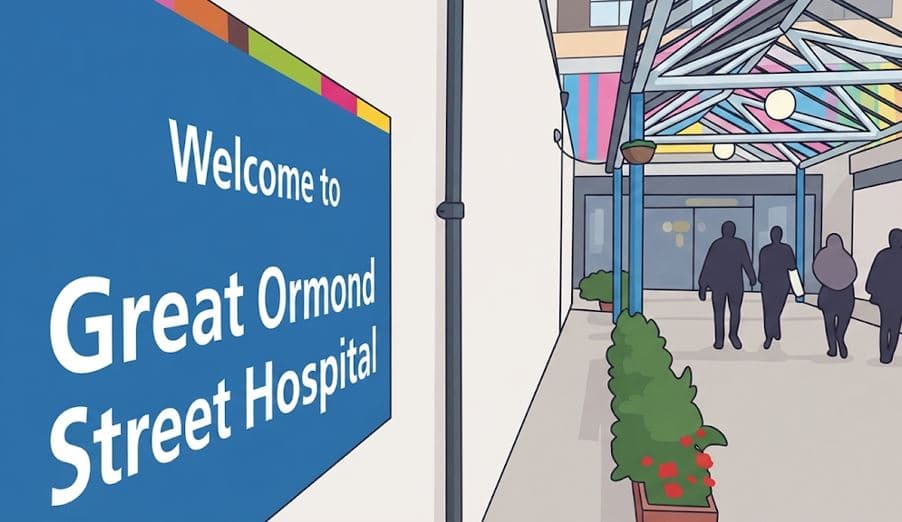
The Yaser Jabbar case concerns serious allegations of unsafe and unnecessary paediatric orthopaedic surgery performed by Yaser Jabbar while working at Great Ormond Street Hospital between 2017–2022.
The case became one of the most significant recent NHS patient safety controversies involving:
- unnecessary surgery
- preventable harm to children
- failures in oversight
- informed consent concerns
- institutional culture problems
2. Key facts (high-yield numbers)
Final independent review (2026)
- Total patients reviewed: 789
- Children harmed: 94
- Severe harm: 35
- Moderate/mild harm: 59
- Harm rate: >25% of operated patients
Examples of harm included:
- permanent deformity
- repeated painful procedures
- unnecessary amputations
- nerve injury
- limb discrepancy complications
3. Timeline (very useful for interviews)
2017
Jabbar joins GOSH as consultant paediatric orthopaedic surgeon.
2022
Families and staff raise concerns regarding:
- unnecessary surgery
- poor outcomes
- questionable decision-making
January 2023
External review by the Royal College of Surgeons begins.
Findings:
- evidence of unnecessary procedures
- avoidable complications
- poor clinical rationale
January 2023
The General Medical Council imposes restrictions on his licence.
September 2024
Police investigation announced.
October 2024
GOSH expands review to >700 cases.
January 2026
Final independent report published:
- widespread unacceptable practice
- toxic culture concerns
- major patient harm identified
4. Main ethical issues (EXTREMELY HIGH YIELD)
A. Patient safety
Core issue:
Children experienced avoidable harm from surgeries later considered unnecessary or poorly justified.
This violates:
- Non-maleficence (“do no harm”)
- GMC duty to prioritise patient safety
B. Informed consent & autonomy
Families reportedly:
- were not fully informed of risks
- did not receive balanced treatment options
- could not make fully autonomous decisions
Ethical principle breached:
Autonomy
C. Professional integrity
Doctors are trusted to:
- recommend evidence-based treatment
- avoid unnecessary intervention
- act in patient best interests
The case raised concerns about:
- judgement
- transparency
- decision-making standards
D. Institutional oversight failure
Questions raised:
- Why were warning signs missed?
- Why did concerns take years to escalate?
- Were whistleblowers listened to?
This highlights:
- governance failure
- culture issues
- poor escalation pathways
E. Public trust
High-profile cases involving children severely damage trust in:
- surgeons
- hospitals
- the NHS more broadly
5. Important ethical principles
Autonomy
Parents need adequate information for informed decisions.
Beneficence
Doctors must act in patients’ best interests.
Non-maleficence
Avoid causing unnecessary harm.
Justice
Patients deserve safe, evidence-based treatment equally.
6. Institutional lessons (what should the NHS learn?)
A. Stronger clinical oversight
- regular surgical audits
- peer review systems
- MDT decision-making
B. Better whistleblowing culture
Staff must feel safe raising concerns early.
C. Transparency with families
Hospitals should:
- acknowledge concerns openly
- apologise promptly
- provide support
D. Better governance
Hospitals need:
- stronger monitoring
- earlier intervention systems
- independent review pathways
7. Comparisons with other NHS scandals (excellent interview material)
Yaser Jabbar vs Ian Paterson
Similarities:
- unnecessary surgery
- informed consent concerns
- breach of trust
- avoidable harm
Difference:
Paterson primarily involved adult breast surgery; Jabbar involved paediatric orthopaedics.
Yaser Jabbar vs Lucy Letby
Similarities:
- harm to vulnerable children
- oversight concerns
- failures to act on warning signs
- public trust damage
Difference:
Letby involved intentional criminal acts; Jabbar focuses primarily on negligence, judgement, and governance concerns.
Yaser Jabbar vs Mid Staffordshire
Similarities:
- institutional culture issues
- governance failures
- delayed response to concerns
- importance of whistleblowing
8. High-yield summary (memorise this)
The Yaser Jabbar case demonstrates:
- dangers of poor clinical judgement
- importance of informed consent
- need for strong institutional oversight
- importance of whistleblowing culture
- devastating impact of avoidable harm on children and families
Healthcare systems must combine individual professionalism with strong governance and transparency to protect patient safety.
9. Example UCAT/MMI questions & model answers
Question:
“What ethical issues are raised by the Yaser Jabbar case?”
Answer:
The case raises several major ethical concerns. First, patient safety appears to have been compromised through potentially unnecessary surgeries causing avoidable harm, which breaches the principle of non-maleficence. Second, there are concerns regarding informed consent and autonomy if families were not adequately informed about risks or alternatives. Third, the case highlights institutional responsibilities, including oversight, governance, and listening to staff concerns. Finally, cases like this damage public trust in healthcare, demonstrating the importance of transparency and accountability within the NHS.
Question:
“What should a doctor do if they suspect unsafe practice in a colleague?”
Answer:
A doctor has a professional duty to prioritise patient safety. Initially, concerns should be raised through appropriate internal channels, such as senior colleagues or governance systems. Accurate documentation is important. If concerns are serious and unresolved, escalation through whistleblowing pathways may be necessary. The GMC’s Good Medical Practice guidance emphasises that doctors must act when patient safety is at risk, even when this may feel uncomfortable.
Question:
“What lessons should healthcare organisations learn from this case?”
Answer:
Healthcare organisations should strengthen clinical oversight, encourage a culture where staff can safely raise concerns, and ensure robust governance systems exist to detect patterns of harm early. Transparency with families and regular auditing of high-risk procedures are also essential. Ultimately, patient welfare must always take priority over hierarchy or reputation management.
10. Rapid-fire interview questions
- What is informed consent?
- What is the GMC’s role?
- What is non-maleficence?
- Why is whistleblowing difficult?
- How can hospitals improve patient safety?
- What responsibilities do senior clinicians have?
- How should doctors respond to mistakes?
- What is duty of candour?
- How does this case affect NHS public trust?
- Should hospitals apologise publicly after harm? Why?
Useful Links
Official hospital / NHS sources
https://www.gosh.nhs.uk/news/review-into-care-provided-by-orthopaedic-surgeon/
https://www.gosh.nhs.uk/news/orthopaedic-review-update-for-patients-and-families/
BMJ / medical journal reporting
https://www.bmj.com/content/386/bmj.q1977
https://www.bmj.com/content/392/bmj.s198.full.pdf
UK medical / regulatory context
https://www.gmc-uk.org/concerns/hearings-and-decisions/making-a-decision/fitness-to-practise-panel-outcomes/andrew-wakefield (example of GMC FtP structure; search Jabbar separately on GMC site)
Mainstream news coverage