
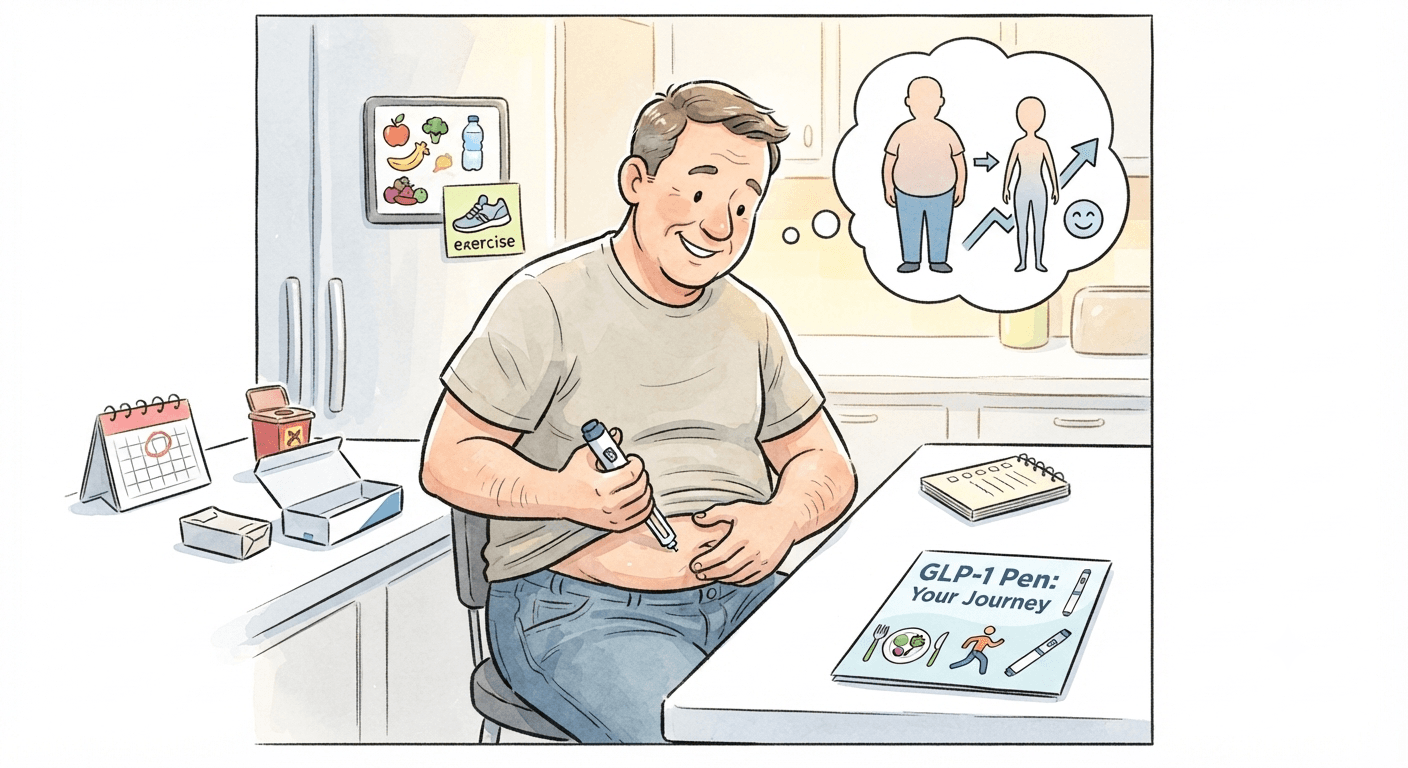
Weight Loss Injections (Ozempic, Wegovy & Mounjaro)
Weight Loss Injections (GLP-1 Medicines) – NHS Interview Guide
Introduction
Weight loss injections have become an important topic in healthcare due to rising obesity rates and increasing evidence supporting pharmacological treatments for weight management. In interviews, examiners are often interested not only in the drugs themselves but also in wider themes such as public health, health inequalities, NHS resources, patient safety, and ethical considerations.
What Are Weight Loss Injections?
Weight loss injections are medications used to support weight reduction alongside lifestyle interventions such as diet, exercise, and behavioural change.
Common examples include:
- Semaglutide (Wegovy®)
- Tirzepatide (Mounjaro®)
- Liraglutide (Saxenda®)
These medications work by:
- Reducing appetite
- Increasing feelings of fullness
- Slowing gastric emptying
- Helping patients reduce calorie intake
Why Is Obesity an NHS Priority?
Obesity is associated with:
- Type 2 diabetes
- Cardiovascular disease
- Hypertension
- Stroke
- Osteoarthritis
- Obstructive sleep apnoea
- Certain cancers
Obesity also places significant pressure on NHS resources through increased healthcare utilisation and long-term disease burden.
Benefits of Weight Loss Injections
Clinical Benefits
- Significant weight reduction
- Improved glycaemic control
- Reduced cardiovascular risk factors
- Improved mobility and quality of life
- Better management of obesity-related comorbidities
NHS Benefits
- Potential reduction in obesity-related complications
- Reduced long-term healthcare costs
- Improved population health outcomes
Healthcare System Benefits
Potential benefits include:
- Reduced burden of obesity-related disease
- Reduced hospital admissions
- Improved long-term population health
- Potential reduction in healthcare costs associated with obesity
Challenges and Concerns
Cost and Resource Allocation
These medications can be expensive.
Healthcare systems must consider:
- Cost-effectiveness
- Eligibility criteria
- Long-term affordability
- Impact on healthcare budgets
This raises questions about fair allocation of limited NHS resources.
Sustainability
Weight regain may occur after treatment discontinuation.
Therefore:
- Long-term lifestyle support remains essential
- Medication should not replace healthy behaviours
- Ongoing monitoring is required
Side Effects
Common side effects include:
- Nausea
- Vomiting
- Diarrhoea
- Constipation
- Abdominal discomfort
Patients require appropriate counselling and monitoring.
Ethical Considerations
Justice
Should expensive treatments be available to all eligible patients?
Healthcare systems must balance:
- Individual benefit
- Population needs
- Resource constraints
Beneficence
Clinicians should recommend interventions that improve health outcomes and reduce obesity-related complications.
Non-Maleficence
Potential side effects and risks must be carefully considered and monitored.
Autonomy
Patients should receive clear information regarding benefits, risks, alternatives, and long-term expectations.
Public Health Perspective
Weight loss injections are not a complete solution to obesity.
Obesity is influenced by:
- Socioeconomic factors
- Diet
- Physical activity
- Education
- Environment
- Health inequalities
Therefore, medications should form part of a broader public health strategy including:
- Prevention
- Education
- Healthy food policies
- Physical activity promotion
- Early intervention
Future Directions
Future developments may include:
- Wider access to effective medications
- Improved patient selection
- Better long-term outcome data
- Integration with digital weight management programmes
- Enhanced multidisciplinary support
The challenge will be balancing innovation with affordability and equitable access.
Interview Conclusion
Weight loss injections represent an important advancement in obesity management and have demonstrated significant benefits for selected patients. However, they should be viewed as part of a comprehensive approach that includes lifestyle modification, behavioural support, and public health interventions. As healthcare professionals, we must balance clinical effectiveness, patient safety, ethical considerations, and responsible use of healthcare resources.
1. What is Ozempic?
Answer:
Ozempic is the brand name for semaglutide, a medication primarily used to treat type 2 diabetes. It works by mimicking the hormone GLP-1, which helps regulate appetite, slows stomach emptying, and stimulates insulin release.
Although Ozempic was designed for diabetes treatment, it has become widely discussed because many patients experience significant weight loss while using it. However, in the UK, Ozempic itself is not licensed specifically for weight loss treatment.
2. What is Wegovy?
Answer:
Wegovy is another brand of semaglutide that is specifically licensed for obesity and weight management in the UK.
It is prescribed alongside:
- Diet changes
- Exercise
- Behavioural support
Wegovy works by increasing feelings of fullness and reducing appetite, helping patients reduce calorie intake. Clinical trials have shown weight loss of up to 15% of body weight in some patients.
3. What is Mounjaro?
Answer:
Mounjaro is the brand name for tirzepatide, a medication used for type 2 diabetes and obesity management.
Unlike semaglutide, Mounjaro targets:
- GLP-1 receptors
- GIP receptors
This dual hormonal action appears to produce even greater weight loss than GLP-1 drugs alone. Studies have suggested some patients lose up to 20% of their body weight.
4. How do weight loss injections work?
Answer:
Weight loss injections mainly work by mimicking natural gut hormones involved in appetite regulation.
Effects include:
- Reduced hunger
- Increased feelings of fullness
- Slower stomach emptying
- Reduced calorie intake
Some medications, like Mounjaro, also improve energy balance and insulin sensitivity.
These medications are most effective when combined with:
- Healthy diet
- Exercise
- Lifestyle changes
5. Who can receive Wegovy on the NHS?
Answer:
Patients generally need:
- A BMI above 35 plus a weight-related condition, OR
- A BMI above 30 in specialist circumstances
Examples of related conditions include:
- Type 2 diabetes
- Hypertension
- Cardiovascular disease
It must also be prescribed through specialist weight management services alongside lifestyle support.
6. Why is obesity such a major NHS issue?
Answer:
Obesity places enormous pressure on the NHS because it increases the risk of many chronic illnesses including:
- Type 2 diabetes
- Heart disease
- Stroke
- Osteoarthritis
- Some cancers
Obesity also contributes to:
- Reduced life expectancy
- Increased hospital admissions
- Greater healthcare costs
The obesity crisis is influenced by:
- Diet
- Socioeconomic factors
- Sedentary lifestyles
- Mental health
- Genetics
- Environment
7. What are the ethical concerns surrounding weight loss injections?
Answer
There are several important ethical concerns.
Access and Equality
These medications may widen health inequalities because private prescriptions are expensive. Wealthier patients may gain faster access than lower-income groups.
Medicalisation of Obesity
Some people worry obesity is becoming overly medicalised, with too much focus on medication rather than prevention and lifestyle changes.
Long-Term Dependency
Patients may regain weight after stopping treatment, raising concerns about lifelong dependency.
Resource Allocation
The NHS has limited resources, so questions arise about whether expensive medications should be prioritised over public health interventions.
Patient Autonomy
Patients should receive full information about:
- Risks
- Benefits
- Side effects
- Long-term uncertainties
before deciding on treatment.
8. Do you think the NHS should fund weight loss injections?
Balanced Answer
I think there are strong arguments both for and against NHS funding of weight loss injections.
On one hand, obesity contributes significantly to diseases like diabetes and cardiovascular disease, which are very expensive for the NHS to treat. If weight loss injections reduce obesity rates, they could improve quality of life and reduce long-term healthcare costs.
However, these drugs are expensive, and there are concerns about sustainability and whether lifestyle interventions should remain the priority. There are also ethical concerns about unequal access and long-term dependency.
Overall, I think these medications can play an important role when used alongside diet, exercise, and behavioural support, particularly for patients with severe obesity and obesity-related illnesses.
9. What are the side effects of Wegovy and Mounjaro?
Answer:
Common side effects include:
- Nausea
- Vomiting
- Diarrhoea
- Constipation
- Bloating
- Fatigue
Rare but serious side effects may include:
- Pancreatitis
- Gallbladder disease
- Kidney problems
Patients must therefore be monitored carefully.
10. What happens when patients stop taking these medications?
Answer:
Many patients regain weight after stopping the medication because appetite and hunger signals return.
This highlights the importance of:
- Long-term lifestyle changes
- Diet
- Physical activity
- Behavioural support
The medications should ideally support sustainable health changes rather than act as a standalone solution.
11. Could weight loss injections worsen health inequalities?
Answer
Potentially yes.
Private access means wealthier patients may obtain treatment more easily, while disadvantaged groups — who often experience higher obesity rates — may struggle to access these medications.
This could widen existing health inequalities.
However, NHS provision through specialist services may help reduce this if access becomes more equitable over time.
12. Should obesity be treated as a medical condition?
Answer
I think obesity should be recognised as a complex medical condition because it results from an interaction of:
- Biological factors
- Genetics
- Mental health
- Environment
- Social determinants
However, it is important not to reduce obesity purely to medication management. Public health approaches, education, exercise promotion, and addressing poverty and food access remain extremely important.
13. How do weight loss injections relate to NHS public health?
Answer:
These medications form part of a broader strategy to reduce obesity-related disease burden.
However, they should complement — not replace — public health interventions such as:
- Sugar taxes
- Healthy eating campaigns
- Exercise promotion
- School education
- Urban planning encouraging activity
14. Hard Ethics Question
“Is it ethical for celebrities to promote weight loss injections?”
Answer
This is ethically complex.
Celebrities may help reduce stigma around obesity and increase awareness of treatment options. However, promotion may also:
- Encourage misuse
- Increase pressure around body image
- Create unrealistic expectations
- Worsen medication shortages for diabetic patients
There is also concern that social media can oversimplify obesity treatment and minimise the importance of medical supervision.
I think responsible education is important, and medical decisions should be guided by healthcare professionals rather than celebrity culture.
15. UCAT-Style Ethical Scenario
Scenario
A patient without obesity requests Wegovy privately for cosmetic weight loss.
Good Discussion Points
- Patient autonomy
- Appropriate prescribing
- Non-maleficence
- Resource stewardship
- Risk vs benefit
- Professional guidelines
Answer
Doctors should balance patient autonomy with safe and evidence-based prescribing. If the patient does not meet clinical criteria, prescribing may expose them to unnecessary risks without sufficient medical benefit.
High-Yield Interview Vocabulary
Useful phrases:
- GLP-1 receptor agonist
- Appetite regulation
- Healthcare inequalities
- Public health intervention
- Medicalisation
- Chronic disease burden
- Lifestyle modification
- Long-term sustainability
- Resource allocation
- Behavioural support
- Preventative medicine
Quick Revision Summary
- Ozempic = semaglutide for diabetes
- Wegovy = semaglutide licensed for obesity
- Mounjaro = tirzepatide targeting GLP-1 + GIP
- Wegovy available on NHS in specialist services
- Main concerns:
- Cost
- Equality
- Long-term dependency
- Medicalisation
- Weight regain often occurs after stopping treatment
19. Useful Links
- NICE Guidance on Semaglutide (Wegovy)
- NHS Obesity Overview
- NHS Better Health Weight Loss Plan
- MHRA Guidance
- World Health Organization Obesity Facts