
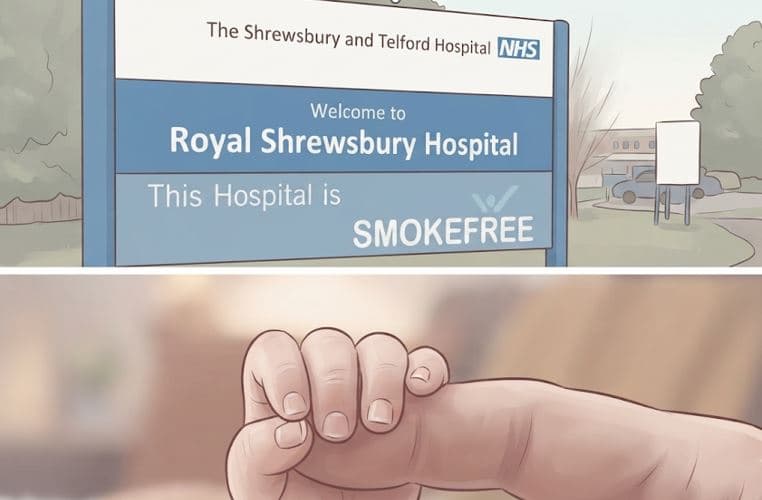
Shropshire Maternity Scandal & Ockenden Review
Shropshire Maternity Scandal & Ockenden Review

1. Introduction (What is it?)
The Shropshire maternity scandal refers to systemic failures in maternity care at the Shrewsbury and Telford NHS Trust, particularly at:
- Royal Shrewsbury Hospital
- Princess Royal Hospital Telford
It is one of the largest maternity investigations in NHS history, examining care from ~2000–2019.
The review was led by senior midwife Donna Ockenden following concerns raised by families, including the campaign started after the death of Kate Stanton-Davies.
2. Scale of the problem (high yield facts)
The review examined:
- ~1,500 families
- ~1,600 clinical incidents
Findings suggested:
- ~200+ potentially avoidable baby deaths
- ~9–12 maternal deaths (depending on classification/report phase)
- 100+ cases of severe brain injury
- Many additional cases of lifelong disability
Key exam point: This was not isolated error — it was systemic failure over decades.
3. Core Failures Identified (MEMORISE THIS)
A. Unsafe “normal birth” culture
- Over-prioritisation of vaginal delivery
- Reluctance to perform Caesarean sections
- “Targets over safety” mentality
Result:
- Delayed emergency intervention
- Fetal hypoxia
- Preventable neonatal brain injury (e.g. cerebral palsy from asphyxia)
B. Failure to escalate care
- Missed fetal distress signs on CTG
- Delayed senior review
- Poor recognition of obstetric emergencies (e.g. shoulder dystocia, sepsis, haemorrhage)
C. Poor clinical governance
- Repeated incidents not investigated properly
- Learning from errors was not embedded
- External reviews failed to trigger meaningful change earlier
D. Communication & documentation failures
- Fragmented notes
- Missing or incomplete escalation records
- Poor MDT communication
E. Culture issues
- Defensive leadership
- Blame culture
- Families dismissed or not listened to
Example reported behaviours:
- Bereaved parents told to “move on”
- Concerns repeatedly ignored
F. Lack of informed consent & autonomy
- Inadequate explanation of risks of birth options
- Limited shared decision-making
- Patients not properly informed about C-section indications
Ethical breach: autonomy + informed consent failure
G. Missed neonatal red flags
- Failure to recognise:
- infection (e.g. Group B Strep sepsis presentations)
- hypoxic injury signs
- deteriorating newborn condition
4. Role of families (VERY IMPORTANT for interviews)
Families were central to exposing the scandal.
Key themes:
- Persistent complaints ignored
- Whistleblowing dismissed
- Campaigns eventually triggered national review
Example: Stanton-Davies family helped drive early scrutiny after repeated concerns were ignored.
5. The Ockenden Review — What it found
The final report concluded:
Systemic failures:
- Unsafe staffing and skill mix
- Poor leadership and accountability
- Lack of safety culture
- Failure to learn from deaths and harm
- Repeated clinical errors across years
Key statement (high yield idea):
“Failures were repeated, not isolated — indicating systemic rather than individual issues.”
6. Why did this happen? (Root causes)
1. Culture over safety
- Focus on reducing C-section rates
- Misinterpretation of “natural birth” ideals
2. Poor governance
- Ineffective incident reporting systems
- Failure of external oversight bodies
3. Staff pressures
- Staffing shortages
- Overconfidence in managing complex cases locally
4. Organisational dysfunction
- Fragmented leadership
- Failure to prioritise safety escalation pathways
7. Ethical analysis (UCAT favourite)
Autonomy
- Patients not fully informed → invalid consent
Beneficence
- Failure to act in patient best interests (delayed C-sections)
Non-maleficence
- Harm caused by avoidable delays and mismanagement
Justice
- Unequal care standards and systemic neglect
8. Impact on NHS practice (what changed?)
Following the review:
- National focus on maternity safety
- Improved escalation protocols
- Increased scrutiny of CTG interpretation
- Greater emphasis on staffing levels and training
- Stronger family involvement in investigations
9. High-yield summary
The Shropshire maternity scandal demonstrates:
- Systemic failure in NHS maternity care
- Dangerous prioritisation of “normal birth” targets over safety
- Repeated failure to escalate and investigate harm
- Breakdown of communication, leadership, and accountability
- Major ethical violations of autonomy, safety, and informed consent
Core lesson:
In healthcare systems, culture and governance failures can be as harmful as individual clinical mistakes.
1. Patient safety must override targets
- Clinical decisions must be evidence-based, not target-driven
2. Importance of listening to patients
- Families often identify early warning signs of systemic failure
3. Strong governance and escalation systems
- Proper incident reporting and learning systems are essential
10. 8 Interview Questions & Answers
Question 1
What was the Shropshire maternity scandal, and why is it significant?
Answer
The Shropshire maternity scandal refers to serious failings in maternity care at the Shrewsbury and Telford NHS Trust over many years. The independent Ockenden Review found that poor clinical care, failures in communication, and a culture focused on maintaining “normal birth” targets contributed to avoidable deaths of mothers and babies, as well as long-term injuries such as cerebral palsy.
I think the case is significant because it highlights how systemic problems in healthcare can lead to devastating consequences for patients and families. It also raised concerns about patient safety, informed consent, teamwork, leadership, and whether staff felt able to raise concerns. For aspiring doctors, it emphasises the importance of compassionate care, evidence-based practice, and listening carefully to patients and colleagues.
Question 2
What ethical issues were raised by the Shropshire maternity scandal?
Answer
Several ethical issues were raised. One major issue was patient autonomy. Some mothers were reportedly not given balanced information about the risks and benefits of Caesarean sections versus vaginal delivery, meaning they may not have been able to provide fully informed consent.
Another issue was non-maleficence, or “do no harm.” Unsafe practices and delayed interventions contributed to avoidable harm to mothers and babies. There were also concerns about lack of transparency and accountability, as complaints and concerns were not always acted upon appropriately.
The scandal additionally highlighted failures in compassion and communication. Families who experienced bereavement were sometimes treated insensitively, which can worsen emotional trauma. Overall, the case shows why ethical practice must remain central to healthcare.
Question 3
How should the NHS respond to scandals like this?
Answer
I think the NHS should respond in several ways. First, there needs to be accountability and transparency. Families deserve honest communication, apologies where appropriate, and cooperation with investigations.
Second, the NHS should focus on learning from mistakes rather than creating a blame culture. This means reviewing systems carefully, improving training, and encouraging staff to report concerns early without fear of repercussions.
Third, patient safety must be prioritised through safe staffing levels, strong leadership, and evidence-based care. Finally, support should be offered to affected families, including psychological and bereavement support.
Importantly, responding effectively is not only about addressing past failings but also ensuring similar events do not happen again.
Question 4
How can healthcare professionals help prevent incidents like the Shropshire maternity scandal in the future?
Answer
Healthcare professionals can help prevent similar incidents by maintaining open communication, practising evidence-based medicine, and prioritising patient safety above targets or performance measures.
It’s also important to listen carefully to patients and families, as they may notice concerns early. Teamwork is crucial, especially in high-pressure environments like maternity care, because patient safety often depends on effective collaboration between doctors, midwives, nurses, and other staff.
Another important factor is speaking up when something seems wrong. A healthy workplace culture should support whistleblowing and reflective practice so mistakes can be learned from rather than hidden.
Question 5
What role should targets play in the NHS?
Answer
Targets can be useful because they help monitor standards, improve efficiency, and identify areas needing improvement. For example, waiting-time targets can encourage timely treatment.
However, the Shropshire maternity scandal demonstrates that targets should never override patient-centred care. In this case, there was excessive focus on reducing Caesarean section rates, even when clinical situations suggested intervention may have been safer.
I think targets should support high-quality care rather than dictate it. Clinical judgement, patient safety, and individual patient needs must always come first.
Question 6
If you noticed unsafe behaviour from a colleague, what would you do?
Answer
Patient safety would be my first priority. If I noticed unsafe behaviour, I would first ensure I had understood the situation correctly and avoid making assumptions. Depending on the seriousness, I would raise my concerns through the appropriate channels, such as speaking to a senior colleague or following hospital reporting procedures.
I think it’s important to remain professional and objective rather than confrontational. The GMC emphasises that doctors have a duty to act when patient safety may be compromised.
The Shropshire maternity scandal shows the consequences when concerns are not listened to or acted upon early enough, so creating a culture where staff feel safe speaking up is extremely important.
Question 7
How do you think scandals like this affect public trust in the NHS?
Answer
Cases like the Shropshire maternity scandal can significantly damage public trust because patients expect healthcare professionals and hospitals to provide safe, compassionate care.
When avoidable harm occurs, particularly on such a large scale, patients may lose confidence in healthcare systems and feel anxious about seeking treatment. However, trust can be rebuilt through transparency, accountability, and visible improvements in patient safety.
I think the NHS maintaining public trust depends not on pretending mistakes never happen, but on responding honestly, learning from failures, and demonstrating meaningful change.
Question 8
What qualities should healthcare leaders demonstrate after events like this?
Answer
Healthcare leaders should demonstrate accountability, honesty, empathy, and a commitment to improvement. They need to create a culture where staff feel comfortable raising concerns and where patient safety is prioritised above reputation or targets.
Strong leadership also involves listening to patients and frontline staff, responding quickly to concerns, and ensuring lessons are learned. In scandals like this, leadership failures can worsen harm if warning signs are ignored.
I think compassionate and transparent leadership is essential for maintaining both staff morale and public confidence in healthcare services.
Useful Links
Key court judgments (most important for ethics + law answers)
https://www.bailii.org/ew/cases/EWCA/Civ/2017/410.html
https://www.judiciary.uk/judgments/great-ormond-street-hospital-v-yates-and-gard/
https://www.supremecourt.uk/cases/docs/charlie-gard-190617.pdf
https://www.judiciary.uk/judgments/great-ormond-street-hospital-v-yates-and-gard-24-july-2017/
European Court of Human Rights
https://hudoc.echr.coe.int/eng?i=001-175359
News coverage and timeline summaries
https://www.bbc.co.uk/news/topics/cxw7x1xq9gdt/charlie-gard
https://www.theguardian.com/law/2017/jul/27/charlie-gard-case-european-court-human-rights
https://www.theguardian.com/uk-news/2017/jul/28/charlie-gard-dies-after-life-support-withdrawn
https://www.telegraph.co.uk/news/2017/07/28/charlie-gard-dies-aged-11-months/
Medical / hospital perspective
https://www.gosh.nhs.uk/news/latest-press-releases/
Background reference