
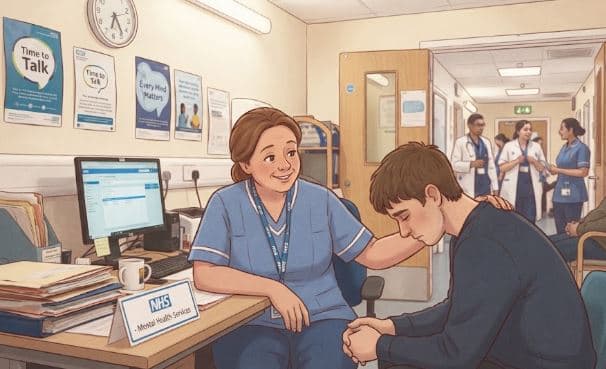
Mental Health Crisis in the NHS
1. What Is the UK Mental Health Crisis?
The UK is currently facing a major mental health crisis characterised by:
- rising rates of mental illness
- increasing demand for support
- long NHS waiting lists
- workforce shortages
- overstretched services
Mental health disorders now represent one of the largest causes of disability in the UK.
2. Key Mental Health Statistics
High-yield figures to know conceptually:
- Around 1 in 4 people experience mental ill health yearly
- Anxiety and depression are most common
- Mental health referrals are rapidly increasing
- Children and young people are particularly affected
- Waiting lists are extremely long
3. Common Mental Health Conditions
Anxiety Disorders
Examples:
- Generalised anxiety disorder
- Panic disorder
- Social anxiety
Depression
Symptoms may include:
- low mood
- poor sleep
- loss of interest
- fatigue
Eating Disorders
Examples:
- anorexia nervosa
- bulimia nervosa
Important interview point:
Eating disorders have:
one of the highest mortality rates of psychiatric illnesses.
Child & Adolescent Mental Health Disorders
Increasingly common since COVID-19.
4. Why Is Demand Increasing?
Contributing factors include:
- social isolation
- financial stress
- housing insecurity
- social media pressures
- academic stress
- substance misuse
- post-COVID psychological effects
5. Impact of COVID-19
The pandemic significantly worsened mental health through:
- isolation
- bereavement
- uncertainty
- reduced support networks
- economic pressures
COVID also disrupted mental health services, increasing backlogs.
6. Pressures on NHS Mental Health Services
Major pressures include:
- increasing referrals
- workforce shortages
- insufficient beds
- underfunding
- long waiting times
7. Workforce Crisis in Mental Health
Psychiatry remains an understaffed specialty.
Problems include:
- shortage of psychiatrists
- shortage of mental health nurses
- burnout
- retention difficulties
Consequences:
- delayed care
- reduced continuity
- staff exhaustion
8. Mental Health Bed Shortages
There has been a major reduction in inpatient mental health beds.
This leads to:
- delayed admissions
- patients treated far from home
- “out-of-area placements”
Why is this concerning?
Patients lose:
- family support
- continuity of care
- community connection
9. Waiting Lists & Backlogs
Many patients wait:
- weeks to months for therapy
- longer for specialist services
This is particularly serious because:
Mental health conditions can worsen rapidly without support.
10. Ethical Concerns
Delayed Treatment
Long waits may increase:
- self-harm risk
- suicide risk
- deterioration
Equality of Access
Mental health has historically received:
less funding and attention than physical health.
This raises concerns about parity of esteem.
Patient Dignity
Overstretched services may compromise:
- privacy
- continuity
- therapeutic relationships
Staff Burnout
Healthcare professionals face:
- emotional exhaustion
- moral injury
- compassion fatigue
11. Children & Young People (VERY IMPORTANT)
CAMHS = Child & Adolescent Mental Health Services
Key issue:
Demand has risen dramatically.
Factors include:
- social media
- academic pressure
- bullying
- pandemic disruption
12. Vulnerable Groups
Some populations are disproportionately affected:
- LGBTQIA+ individuals
- ethnic minorities
- homeless individuals
- substance misuse patients
- young women
- socially isolated patients
Important interview skill:
Recognise health inequalities.
13. Future
Potential roles:
- AI screening tools
- telepsychiatry
- mental health apps
- earlier identification
Benefits:
- faster triage
- increased accessibility
- reduced pressure
Risks:
- privacy concerns
- bias
- reduced human interaction
14. NHS Long Term Plan
The NHS Long Term Plan includes:
- increased mental health funding
- expanded talking therapies
- improved CAMHS access- Child and Adolescent Mental Health Services
- crisis care investment
- mental health liaison teams
15. Improving Access to Psychological Therapies (IAPT)
IAPT provides:
- CBT
- talking therapies
- early intervention
Goal:
Treat common conditions earlier.
16. Common Ethical Themes for MMIs
Ethical Principle | Mental Health Example |
Beneficence | Providing timely support |
Non-maleficence | Preventing harm from delays |
Justice | Fair access to services |
Autonomy | Respecting patient decisions |
Confidentiality | Sensitive psychiatric information |
Mental health importance
“Mental health is equally as important as physical health.”
Ethics
“Long waiting times may lead to worsening illness and increased risk of harm.”
CAMHS
“Children and young people are experiencing rapidly increasing mental health needs.”
Workforce
“Staff burnout worsens the cycle of workforce shortages.”
17. How To Structure Answers
1. Define the issue
“The UK is facing increasing rates of mental illness…”
2. Explain causes
- social pressures
- COVID
- workforce shortages
- underfunding
3. Discuss consequences
- worsening illness
- long waits
- A&E pressures
- staff burnout
4. Explore ethics
- equality
- patient safety
- stigma
- resource allocation
5. Suggest balanced solutions
- prevention
- education
- investment
- early intervention
Questions and Answers
1. What do you understand by the term "mental health crisis"?
Answer:
A mental health crisis occurs when a person's mental or emotional state deteriorates to the extent that they may be at risk of harming themselves or others, or are unable to cope with daily life. Examples include severe depression with suicidal ideation, acute psychosis, severe anxiety, mania, or a significant deterioration in mental wellbeing requiring urgent intervention.
2. What are the main challenges facing mental health services in the NHS?
Answer:
Key challenges include:
- Increasing demand for services
- Workforce shortages
- Long waiting times
- Limited inpatient bed availability
- Rising rates of anxiety, depression, and self-harm
- Inequalities in access to care
- Pressures following the COVID-19 pandemic
These challenges can affect patient outcomes and place significant strain on healthcare professionals.
3. Why is mental health important in all areas of medicine?
Answer:
Mental health affects physical health, treatment adherence, recovery, and quality of life. Many patients with chronic physical illnesses also experience mental health conditions such as depression or anxiety. As doctors, we must provide holistic care that addresses both physical and psychological wellbeing.
4. How would you assess a patient presenting in a mental health crisis?
Answer:
I would:
- Ensure immediate safety.
- Assess risk of suicide, self-harm, or harm to others.
- Take a focused history of symptoms and triggers.
- Assess mental state (appearance, behaviour, mood, thought content, perception, cognition).
- Identify safeguarding concerns.
- Seek senior support and involve mental health services where appropriate.
- Develop a management and safety plan.
5. What would you do if a patient expressed suicidal thoughts?
Answer:
I would take the concern seriously and remain calm and non-judgmental. I would assess:
- Suicidal thoughts and intent
- Presence of a plan
- Access to means
- Previous attempts
- Protective factors
I would ensure patient safety, involve senior colleagues immediately, refer urgently to the mental health team, and document the assessment carefully.
6. What role does the MDT play in mental health care?
Answer:
Mental health care relies heavily on MDT working. The team may include:
- Psychiatrists
- Mental health nurses
- Psychologists
- Occupational therapists
- Social workers
- Pharmacists
- General practitioners
The MDT provides comprehensive assessment, treatment, risk management, and long-term support.
7. How can doctors help reduce stigma surrounding mental illness?
Answer:
Doctors can:
- Use respectful, non-judgmental language
- Encourage open discussions about mental health
- Challenge misconceptions
- Treat mental health conditions with the same seriousness as physical illnesses
- Promote early intervention and access to support
8. What are the ethical principles involved in managing a mental health crisis?
Answer:
- Beneficence: acting in the patient's best interests
- Non-maleficence: preventing harm
- Autonomy: respecting patient choices where capacity exists
- Justice: ensuring equitable access to care
Balancing autonomy and safety can be particularly challenging in mental health emergencies.
9. How would you manage a patient who refuses treatment during a mental health crisis?
Answer:
I would assess the patient's decision-making capacity. If capacity is present, I would explore their concerns, provide information, and respect their decision where appropriate. If capacity is impaired and there is significant risk, I would seek senior and psychiatric input and consider relevant legal frameworks such as the Mental Health Act or Mental Capacity Act.
10. What improvements would you like to see in NHS mental health services?
Answer:
I would like to see:
- Increased investment in mental health services
- Earlier access to community support
- Expansion of the mental health workforce
- Reduced waiting times
- Better integration between primary care, hospitals, and community services
- Greater focus on prevention and early intervention
These measures could improve patient outcomes and reduce pressure on acute services.
Useful Links: