
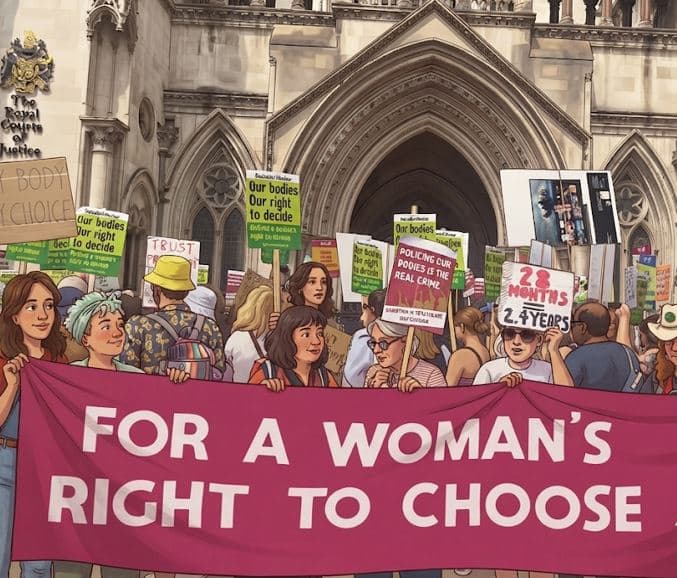
Medical Ethics- Abortion in the UK
What Is Abortion?
Abortion is the medical termination of a pregnancy. In the UK, abortion is available through the NHS and can occur using either medical or surgical methods depending on gestational age, patient preference, and clinical factors.
For UCAT and medical interviews, abortion is commonly discussed as an ethical issue involving:
- Autonomy
- Patient rights
- Conscientious objection
- Access to healthcare
- Balancing competing ethical principles
Quick Summary
- Abortion is legal in most parts of the UK up to 24 weeks under certain conditions.
- Northern Ireland has historically had different legislation and practical access challenges.
- Two doctors must usually agree continuing the pregnancy poses greater risk than termination.
- Doctors may conscientiously object except in emergencies.
- Ethical debates focus on bodily autonomy versus sanctity of life.
- Common UCAT themes include ethics, empathy, professionalism, patient autonomy, and access to healthcare.
How Does Abortion Work in the UK?
Medical Abortion
Usually performed before 10 weeks.
It involves two medications:
- Mifepristone – blocks progesterone
- Misoprostol – causes uterine contractions
Advantages
- No surgery required
- Lower procedural risk
- Can often occur at home
Disadvantages
- Cramping and bleeding
- Emotional distress for some patients
- May require follow-up treatment
Surgical Abortion
Usually performed after 10 weeks.
Methods include:
- Vacuum aspiration
- Dilation and evacuation (D&E)
Advantages
- Faster completion
- Often shorter bleeding duration
Risks
- Infection
- Anaesthetic complications
- Uterine injury (rare)
UK Law on Abortion
England, Scotland and Wales
Abortion is generally legal up to 24 weeks if:
- Two doctors agree continuing pregnancy poses greater risk than termination.
After 24 weeks abortion is usually only allowed if:
- The mother’s life is at risk
- Severe foetal abnormality exists
- There is risk of serious physical or mental harm
Northern Ireland
Laws and practical access have historically differed from the rest of the UK, creating ongoing political and ethical debate.
Telemedicine and Abortion
During the COVID-19 pandemic, abortion pills became available via telemedicine.
This improved:
- Accessibility
- Privacy
- Convenience
- Access for rural patients
However, critics raised concerns about:
- Safeguarding
- Coercion
- Reduced face-to-face assessment
The Four Pillars of Medical Ethics
Understanding these is essential for UCAT Situational Judgement and interview ethics.
1. Autonomy
Patients have the right to make decisions about their own body.
This is one of the strongest arguments supporting abortion access.
2. Beneficence
Doctors should act in the patient’s best interests.
This may involve:
- Preventing physical harm
- Protecting mental health
- Supporting informed choices
3. Non-Maleficence
Doctors should avoid causing harm.
Ethical tension exists because:
- Continuing pregnancy can cause harm
- Terminating pregnancy may also be viewed as harmful
4. Justice
Healthcare should be fair and accessible.
Issues include:
- Regional inequality
- Financial barriers
- Access to clinics
- Stigma and discrimination
Ethical Arguments Supporting Abortion Rights
Bodily Autonomy
People should decide what happens to their own body.
Supporters argue pregnancy should not be forced.
Safety
Illegal abortions still occur.
Restricting abortion may:
- Increase unsafe procedures
- Increase maternal harm
- Push patients toward unregulated care
Mental and Physical Wellbeing
Pregnancy may significantly affect:
- Mental health
- Finances
- Education
- Family life
- Physical health
Equality
Restrictions may disproportionately affect:
- Low-income individuals
- Young people
- Minority groups
- Rural communities
Ethical Arguments Against Abortion
Sanctity of Life
Some believe life begins at conception.
Therefore abortion is viewed as morally wrong.
Religious Beliefs
Certain religions oppose abortion because they consider the foetus a human life.
Adoption Alternatives
Some argue adoption or foster care are preferable alternatives.
Emotional and Physical Risks
Critics highlight:
- Psychological distress
- Regret
- Medical complications
although risks also exist with pregnancy and childbirth.
Conscientious Objection
Doctors can refuse to perform abortions for:
- Religious reasons
- Personal beliefs
- Ethical concerns
However:
- They must refer patients appropriately.
- They cannot refuse emergency care.
- Patient safety must come first.
This is commonly tested in UCAT ethics scenarios.
Buffer Zones Around Clinics
Buffer zones are legal areas around abortion clinics where protests are restricted.
Arguments Supporting Buffer Zones
- Protect patients from harassment
- Improve privacy
- Ensure safe access to healthcare
Arguments Against Buffer Zones
- Restrict freedom of speech
- Limit protest rights
This demonstrates balancing competing rights in healthcare ethics.
Abortion Debate in the USA
Following the 2022 Dobbs decision, abortion law became state-dependent in the USA.
Some states:
- Expanded abortion protections
Others:
- Introduced major restrictions or bans
This has created:
- Unequal healthcare access
- Political debate
- Ethical controversy
Understanding international perspectives can strengthen interview discussion.
Common Interview Themes
Themes You Should Mention
- Patient-centered care
- Respectful communication
- Non-judgmental practice
- Informed consent
- Equality of access
- Professionalism
- Balancing rights and beliefs
Example UCAT SJT Scenario
Scenario
A doctor personally disagrees with abortion for religious reasons. A patient requests advice about accessing abortion services.
Best Approach
The doctor should:
- Remain professional
- Avoid judgement
- Explain available services
- Refer appropriately
- Prioritise patient safety
The doctor should not:
- Shame the patient
- Refuse referral
- Impose personal beliefs
Interview Questions
Should doctors be forced to perform abortions?
Strong Structure
- Acknowledge complexity
- Discuss patient autonomy
- Discuss doctor beliefs
- Prioritise patient safety
- Reach balanced conclusion
Example Points
- Doctors deserve freedom of belief.
- Patients deserve access to lawful care.
- Conscientious objection is acceptable if care is transferred safely.
- Emergency situations override personal objections.
Common UCAT & Medicine Interview Questions
- Is abortion ethical?
- Should abortion access be restricted?
- Should doctors be allowed to conscientiously object?
- What are the ethical arguments for and against abortion?
- How should doctors handle personal beliefs?
- Are buffer zones appropriate?
- What role should telemedicine play?
- How should healthcare balance autonomy and non-maleficence?
High-Yield UCAT Tips
In SJT Questions
Always prioritise:
- Patient safety
- Professional behaviour
- Respectful communication
- GMC guidance
- Appropriate escalation
In Ethical Discussions
Avoid:
- Extreme opinions
- Emotional language
- Dismissing alternative viewpoints
Instead:
- Show balance
- Consider multiple perspectives
- Use ethical principles
- Explain reasoning clearly
Key Terms You Should Know
Term | Meaning |
Autonomy | Patient right to make decisions |
Conscientious Objection | Refusal based on beliefs |
Beneficence | Acting in patient’s best interests |
Non-Maleficence | Avoiding harm |
Justice | Fair access to healthcare |
Telemedicine | Remote healthcare delivery |
Buffer Zone | Protected area around clinics |
Useful Links
Core NHS & patient information
https://www.nhs.uk/conditions/abortion/
https://www.nhs.uk/service-search/other-health-services/pregnancy-termination
Clinical guidance (gold standard for interviews)
https://www.rcog.org.uk/for-the-public/browse-our-patient-information/abortion-care/
UK law & legislation
https://www.legislation.gov.uk/ukpga/1967/87/contents
https://www.legislation.gov.uk/ukpga/1967/87/contents/enacted
Professional ethical guidance (very important for MMIs)
https://www.gmc-uk.org/ethical-guidance/ethical-guidance-for-doctors
NICE guidance (clinical pathway standards)
https://www.nice.org.uk/guidance/ng140
https://www.nice.org.uk/guidance/ng140/resources/patient-decision-aids-and-user-guides-6906582256
NHS nations & service access
https://111.wales.nhs.uk/abortion
https://www.nhsinform.scot/tests-and-treatments/surgical-procedures/abortion
https://www.nidirect.gov.uk/articles/abortion-services
UK abortion providers (useful for real-world awareness)
https://www.nupas.co.uk/abortion-care/