
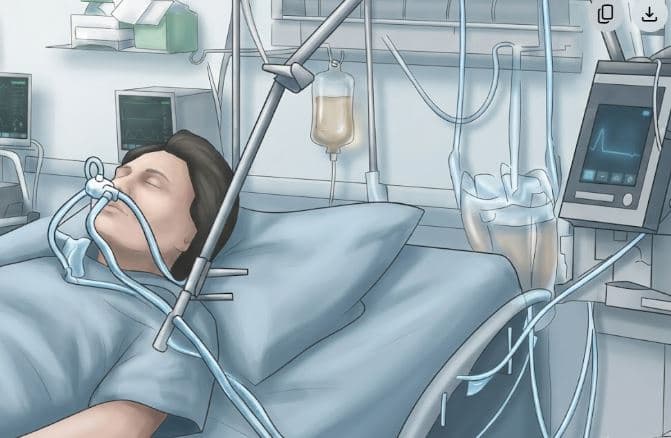
Medical Ethics - Ceiling of Care
What Are Ceilings of Care?
A ceiling of care is the highest level of medical treatment a patient will receive.
It determines:
- How far treatment should be escalated
- Which interventions are appropriate
- When treatment may become burdensome rather than beneficial
Ceilings of care are especially important in:
- Intensive care
- Emergency medicine
- Oncology
- Elderly care
- End-of-life care
- Palliative care
The aim is to provide treatment that is:
- Clinically appropriate
- Ethical
- In the patient’s best interests
- Consistent with the patient’s wishes and values
Why Are Ceilings of Care Important?
Modern medicine can prolong life significantly, but more treatment is not always better.
Some interventions may:
- Cause suffering
- Be unlikely to work
- Reduce quality of life
- Prolong dying rather than improve recovery
Ceilings of care help doctors balance:
- Benefit vs burden
- Quantity of life vs quality of life
- Autonomy vs medical judgement
Common Levels of Care
1. Full Escalation
The patient receives:
- CPR
- ICU admission
- Ventilation
- Surgery
- All available treatments
Usually appropriate if:
- Recovery is realistic
- Treatment burden is acceptable
2. Ward-Based Care
The patient receives:
- Oxygen
- IV antibiotics
- Fluids
- Medications
But NOT:
- ICU admission
- Mechanical ventilation
This may be appropriate for frail patients where ICU would likely cause more harm than benefit.
3. Palliative / Comfort Care
Focus shifts from curing disease to:
- Pain control
- Symptom relief
- Dignity
- Comfort
- Emotional support
Treatment aimed purely at prolonging life may stop.
What Factors Influence Ceilings of Care?
Doctors consider:
Clinical Factors
- Prognosis
- Chance of recovery
- Frailty
- Comorbidities
- Severity of illness
Patient Factors
- Wishes
- Values
- Quality of life
- Religious beliefs
- Advance decisions
Ethical Factors
The four pillars of medical ethics:
Autonomy
Respecting patient choices.
Beneficence
Acting in the patient’s best interests.
Non-maleficence
Avoiding unnecessary harm or suffering.
Justice
Fair allocation of NHS resources.
Capacity and Ceilings of Care
Capacity is crucial.
If a patient has capacity:
- They can accept or refuse treatment
- Even if doctors disagree
- Even if refusal may result in death
Example
A patient with advanced cancer may refuse chemotherapy.
If they:
- Understand consequences
- Retain information
- Weigh risks/benefits
- Communicate a decision
Then their decision must usually be respected.
What Happens If a Patient Lacks Capacity?
If the patient lacks capacity:
- Decisions are made in their best interests
Doctors consider:
- Past wishes
- Family views
- Advance decisions
- Lasting Power of Attorney (LPA)
- Overall quality of life
DNACPR and Ceilings of Care
A DNACPR means:
Do Not Attempt Cardiopulmonary Resuscitation
It applies ONLY to CPR.
It does NOT mean:
- Stop all treatment
- Stop antibiotics
- Stop fluids
- Stop symptom relief
A patient can still receive active treatment with a DNACPR order.
Advance Care Planning
Advance care planning allows patients to express wishes before becoming unwell.
This may include:
- Preferred place of care
- Preferred place of death
- Refusal of ICU
- Refusal of ventilation
- DNACPR decisions
ReSPECT Forms
In the NHS, many hospitals use:
ReSPECT
Recommended Summary Plan for Emergency Care and Treatment
This records:
- Patient wishes
- Emergency treatment recommendations
- Escalation plans
- Ceilings of care
It helps ensure consistent decision-making.
Example Scenario
Scenario
An 86-year-old with:
- Severe COPD
- Advanced heart failure
- Frailty
- Recurrent admissions
Develops severe pneumonia.
Doctors consider:
- ICU survival chances are very low
- Ventilation may prolong suffering
- Patient previously said they value comfort
The ceiling of care may become:
- Ward-based treatment only
- Oxygen
- Antibiotics
- Symptom relief
- No ICU escalation
Ethical Discussion
Autonomy
The patient’s wishes matter greatly.
Beneficence
Doctors should offer treatments likely to help.
Non-Maleficence
Avoid harmful or futile interventions.
Justice
ICU resources are limited and should be used fairly.
Questions and Answers
1. What is ceiling of care?
Model answer:
Ceiling of care refers to the agreed upper limit of medical treatment that is appropriate for a patient, based on their clinical condition, prognosis, and preferences. It guides what treatments should or should not be escalated to, such as ICU admission or mechanical ventilation.
2. Why is ceiling of care important?
Model answer:
It ensures patients receive appropriate, proportionate care aligned with their wishes and clinical benefit. It avoids unnecessary invasive treatments, supports patient dignity, and helps guide clinicians in emergencies.
3. Who decides the ceiling of care?
Model answer:
The decision is made collaboratively between the clinical team and the patient (if they have capacity), using shared decision-making. If the patient lacks capacity, decisions are made in their best interests, involving family and considering any advance care plans.
4. What factors influence ceiling of care decisions?
Model answer:
Factors include:
- Patient’s wishes and values
- Clinical condition and prognosis
- Likelihood of benefit from escalation
- Risks and burdens of treatment
- Comorbidities and frailty
- Previously expressed preferences or advance directives
5. How is ceiling of care different from DNACPR?
Model answer:
DNACPR refers specifically to not attempting cardiopulmonary resuscitation if the heart stops. Ceiling of care is broader and includes decisions about escalation of treatment such as ICU admission, ventilation, or surgery. A patient can have a DNACPR in place but still receive active treatment up to a defined ceiling.
6. A patient asks what “ceiling of care” means. How do you explain it?
Model answer:
“Ceiling of care means we plan together what level of treatment would be appropriate for you if you became more unwell. It helps us ensure that any treatment you receive matches your wishes and is likely to be beneficial.”
7. A family requests full escalation, but the patient previously declined intensive care. What do you do?
Model answer:
I would prioritise the patient’s previously expressed wishes if they had capacity at the time. I would explain this sensitively to the family, involve senior clinicians, and ensure the decision aligns with ethical and legal frameworks. Patient autonomy is central.
Strong Structure
- Listen empathetically
- Explore concerns
- Explain prognosis clearly
- Involve senior clinicians/MDT
- Focus on patient’s best interests
- Maintain compassion and dignity
8. Can ceiling of care be changed?
Model answer:
Yes. Ceiling of care is not fixed and should be regularly reviewed, especially if the patient’s clinical condition or preferences change.
9. What is the role of capacity in ceiling of care decisions?
Model answer:
If the patient has capacity, they are involved fully in decision-making. If they lack capacity, decisions are made in their best interests under the Mental Capacity Act, using input from family and prior wishes.
10. What ethical principles are involved?
Model answer:
The key principles are:
- Autonomy: respecting patient wishes
- Beneficence: providing beneficial care
- Non-maleficence: avoiding burdensome or harmful treatment
- Justice: appropriate use of healthcare resources
11. What would you do if there is disagreement between doctors about ceiling of care?
Model answer:
I would escalate to a senior clinician, involve the multidisciplinary team, and consider ethics input if needed. The focus should be on patient-centred, evidence-based decision-making.
12. How do you communicate ceiling of care to a patient?
Model answer:
I would use clear, non-technical language, check understanding, and be empathetic. I would explain the purpose is to ensure appropriate care and ask about their values and preferences before making decisions together.
13. What is included in a ceiling of care plan?
Model answer:
It may include:
- Ward-based care only
- No ICU escalation
- Oxygen therapy
- Antibiotics or IV fluids if appropriate
- Palliative care focus if needed
- DNACPR status (if applicable)
14. High-yield MMI phrases
- “Care should be appropriate and proportionate to the patient’s condition”
- “Shared decision-making is essential”
- “Ceiling of care is regularly reviewed”
- “Focus on patient values and clinical benefit”
- “Escalation should only occur if likely to be beneficial”
15. Simple MMI framework
C-A-R-E
- Clinical condition assessed
- Align with patient wishes
- Risks vs benefits considered
- Escalation decisions documented
High-Yield Interview Phrases
Use phrases like:
- “Patient-centred care”
- “Best interests”
- “Shared decision-making”
- “Balancing benefit and burden”
- “Respecting autonomy”
- “Avoiding unnecessary suffering”
- “Maintaining dignity”
- “Holistic care”
Common Mistakes in Interviews
Saying:
“Doctors decide everything.”
Better:
“Decisions should involve the patient wherever possible.”
Saying:
“DNACPR means no treatment.”
Incorrect.
DNACPR only applies to CPR.
Saying:
“Old patients should not get ICU.”
Incorrect and discriminatory.
Decisions are based on:
- Frailty
- Recovery potential
- Patient wishes
- Clinical benefit
NOT age alone.
Quick Summary
Ceilings of Care = Maximum Appropriate Treatment
Key ideas:
- Patient-centred
- Ethical
- Individualised
- Based on benefit vs burden
- Influenced by capacity and autonomy
Useful Links
https://www.nhs.uk/tests-and-treatments/end-of-life-care/planning-ahead/
https://www.nhs.uk/conditions/do-not-attempt-cardiopulmonary-resuscitation-dnacpr/
https://www.gmc-uk.org/ethical-guidance/ethical-guidance-for-doctors/decision-making-and-consent
https://www.england.nhs.uk/quality-of-care/clinical-policies/respect/
https://www.resus.org.uk/respect
https://www.bma.org.uk/advice-and-support/ethics/end-of-life/
https://www.bma.org.uk/advice-and-support/ethics/end-of-life/decision-making-and-capacity
https://www.nice.org.uk/guidance/ng191
https://www.mariecurie.org.uk/professionals/palliative-care-knowledge-zone