
Dr. Hadiza Bawa-Garba
The Dr. Hadiza Bawa-Garba Case
The Dr. Bawa-Garba case centers around the tragic death of 6-year-old Jack Adcock in 2015, due to errors made by Dr. Hadiza Bawa-Garba and broader NHS systemic failures, including understaffing and poor communication. Dr. Bawa-Garba was convicted of gross negligence manslaughter and initially struck off the GMC register, but after a legal battle, her conviction was overturned and she was reinstated.
The case raises key ethical issues, including:
· Accountability: To what extent should doctors be held responsible for mistakes in the context of systemic issues like staffing shortages?
· Teamwork and Communication: The case highlights how breakdowns in these areas can lead to errors.
· Reflective Practice: Concerns were raised about whether written reflections could be used against doctors in legal proceedings.
Aspiring medical students should be prepared to discuss these topics, particularly how to balance individual responsibility with systemic challenges, and the importance of effective communication and teamwork in preventing errors.
Summary of the Case:
1. The Incident (2015):
o Jack Adcock was admitted to the hospital with sepsis but his condition worsened.
o Dr. Bawa-Garba, who was the lead paediatrician in charge, made a series of errors that contributed to Jack's death. These included failing to recognize the severity of his condition and not escalating care appropriately.
o There were also issues related to understaffing, poor communication, and a lack of proper oversight, which made it harder for Dr. Bawa-Garba to provide the necessary care.
2. Conviction and Consequences:
o In 2017, Dr. Bawa-Garba was convicted of gross negligence manslaughter. She was sentenced to a two-year prison term, which was later suspended.
o The General Medical Council (GMC) struck her off the medical register, meaning she was no longer allowed to practice medicine.
3. Public and Medical Reactions:
o The case sparked widespread debate, both within the medical community and among the public. Many in the medical profession expressed concerns that Dr. Bawa-Garba's conviction represented a broader issue of accountability in the healthcare system, particularly regarding the impact of systemic failures on individual healthcare workers.
o A boycott of written reflections by doctors was initiated, as doctors feared these documents could be used against them in similar situations.
4. Reinstatement:
o After a lengthy legal battle, Dr. Bawa-Garba's conviction was appealed, and in 2018, the Court of Appeal ruled in her favor, stating that she should be reinstated to the GMC register.
o In 2019, the GMC reinstated Dr. Bawa-Garba, allowing her to return to practice medicine, but with restrictions.
5. Current Status:
o Dr. Bawa-Garba is now practicing medicine again, but the case has left a lasting impact on the medical community, leading to ongoing debates about how medical errors are treated, the responsibility of healthcare systems, and the way medical professionals are held accountable.
The case highlights the complexities of medical practice, the importance of systemic support, and the fine line between individual responsibility and systemic accountability in healthcare.
What happened? - In more detail
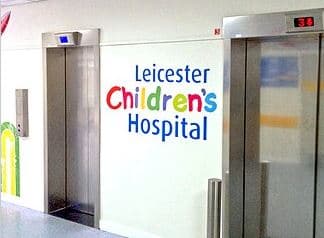
The Dr. Bawa-Garba case revolves around the tragic death of Jack Adcock, a 6-year-old boy with Down’s Syndrome, who was admitted to Leicester Royal Infirmary on February 28, 2011, with symptoms of diarrhoea, vomiting, and difficulty breathing. He died later that evening from cardiac arrest secondary to sepsis.
Here are the key events:
· Dr. Bawa-Garba's Role: Dr. Hadiza Bawa-Garba, a 6th-year paediatric trainee (ST6), was in charge of the ward as there was no senior consultant available. This put her in a challenging position, responsible for the care of all patients.
· Delays and Communication Failures:
·
o An IT failure caused a delay in receiving critical blood test results, which were ordered at 10:45 AM but not received until 4:15 PM.
o During the handover later in the day, Dr. Bawa-Garba did not escalate Jack's case to a consultant, despite his deteriorating condition.
o Medication Error: Dr. Bawa-Garba failed to inform Jack's mother to stop giving him his regular heart medication, enalapril, which was contraindicated due to his condition. As a result, his mother gave him the medication at 7 PM, which may have worsened his condition.
· Clinical Events:
·
o When Jack's condition worsened, Dr. Bawa-Garba began CPR after Jack "crashed." However, she briefly stopped compressions after mistakenly confusing him with another patient who had a Do Not Attempt Cardiopulmonary Resuscitation (DNACPR) order.
o This brief cessation of CPR was not considered a contributing factor to Jack's death.
Despite her efforts to resuscitate Jack, he tragically passed away at 9:20 PM.
Key Points:
· Dr. Bawa-Garba faced systemic challenges (e.g., lack of senior support, IT issues) that contributed to errors in her care of Jack.
· She was doing 4 people’s job
· She was covering A and E and wards and emergencies, with no senior support
· The case raises questions about individual accountability versus systemic failures and the complexities of medical practice in high-pressure, understaffed environments.
· Communication failures (e.g., not escalating to a senior, not informing the mother about the medication) and delays played a significant role in the outcome.
This case became a highly debated ethical issue in healthcare, leading to questions about how much individual doctors should be held accountable for errors in the context of an overburdened healthcare system.
What role did self-reflection play in the court case?
The case generated widespread concern about whether Dr Bawa-Garba’s reflective notes were used against her in court.
Doctors feared that this might discourage honest reflection, undermining learning and patient safety.
In response, some clinicians called for a boycott of reflective practice, including avoiding reflective entries in appraisals.
Although her formal reflective notes were not submitted as evidence, they were included in documents reviewed by expert witnesses, potentially influencing their opinions.
The situation raised major concerns about the safety and confidentiality of reflective practice within medical training and regulation.
What key legal issues in the case?
1. Criminal Law: Gross Negligence Manslaughter
Dr Bawa-Garba was convicted of gross negligence manslaughter for the death of Jack Adcock.
The prosecution argued that her clinical errors were “truly exceptionally bad”.
Critics argued the conviction failed to adequately account for:
· Severe NHS understaffing
· IT system failures
· Delays in senior review
This raised major concerns about individual criminal blame in the context of systemic failures.
2. Professional Regulation: GMC vs MPTS
· The Medical Practitioners Tribunal Service (MPTS) initially suspended her for 12 months, emphasising:
·
o Her insight
o Good prior record
o Heavy system pressures
· The GMC appealed this decision, arguing suspension was too lenient, and the High Court replaced it with permanent erasure.
· The Court of Appeal overturned the GMC’s action and reinstated her with conditions.
It ruled that a criminal conviction does not automatically justify erasure, and context and remediation must be considered.
3. Public Law & Policy Reforms
The case prompted:
· The Williams Review on gross negligence manslaughter in healthcare
· Clarification that reflective practice should not be used against doctors in court
· A re-examination of the balance between individual accountability and system-level failings.
4. Equality & Discrimination Concerns
Strong professional support emerged due to concerns that the case reflected:
· Potential racial bias in investigations and outcomes
· Disproportionate referrals of ethnic minority doctors to the GMC
Though not formally part of the legal judgment, these concerns shaped the wider response.
5. Overall Legal Significance
The case is now a landmark in UK medical law for:
· Highlighting the danger of criminalising clinical error
· Reinforcing proportionality and fairness in regulatory sanctions
· Emphasising the need to consider systemic pressures in both criminal and regulatory proceedings
Summary of key ethical issues raised?
· Individual vs System Responsibility: Was it ethical to blame one doctor for errors heavily influenced by unsafe staffing, IT failures, and systemic pressures?
· Blame Culture vs Just Culture: The case appeared punitive, risking a culture where clinicians fear reporting mistakes.
· Duty of Candour & Reflection: Fear that reflective notes could be used against doctors undermines honesty, learning, and patient safety.
· Fairness & Proportionality: Questions about whether striking off and criminal conviction were ethically proportionate given her insight and otherwise good practice.
· Equality & Bias: Concerns about possible racial bias in regulatory processes and disproportionate scrutiny of minority ethnic doctors.
· Patient Safety vs Staff Support: Ethically troubling that the system failed to provide safe working conditions yet held the individual fully accountable.
To what extent should doctors be held accountable for errors systemic failures?
System Failures:
· NHS underfunding and understaffing are creating increasingly unsafe clinical environments.
· This raises concerns about how far doctors can fairly be held liable for mistakes made under extreme pressure.
· In the Bawa-Garba case, systemic issues (IT failures, absence of a consultant) clearly contributed to the outcome.
· Her errors may have been exacerbated by being left to manage an overstretched, hectic ward alone.
· This raises the question of what level of performance is realistically expected in unsafe working conditions.
· Many clinicians fear a growing “blame culture” where individuals are held responsible for wider systemic and governmental failures.
What is the role of teamwork and communication in preventing medical errors?
Errors from breakdowns in communication within the clinical team
- Dr Bawa-Garba did not consult a senior doctor later in the day when a consultant became available.
- Nursing staff did not adequately update her on Jack’s deteriorating condition.
- Jack’s mother was not informed that his regular heart medication should be stopped.
- These failures highlight the difficulty of determining who holds responsibility when communication breaks down across a multidisciplinary team.
- The case raises wider questions about how to improve communication systems, clarify roles, and ensure timely escalation within hospital teams.
7 Questions and Answer on Dr. Bawa-Garba Case
Question 1: Case Summary
“Can you summarise the Hadiza Bawa-Garba case?”
Model answer:
The case involved a paediatric trainee doctor, Dr Hadiza Bawa-Garba, who was convicted of gross negligence manslaughter after a 6-year-old child died from sepsis. Contributing factors included significant system failures such as understaffing, IT failures, delays in investigations, and supervision issues.
Initially she was struck off by the GMC, but this decision was later overturned on appeal, with the court restoring her licence while acknowledging systemic failures played a major role.
Key points:
· Patient died from sepsis
· Multiple system failures
· Legal + professional regulation overlap
· Appeal reinstated licence
Question 2: Should Dr Bawa-Garba have been struck off?
“Do you think the GMC was right to remove her from the medical register?”
Model answer:
This is a complex case. While patient harm was severe, many argue that striking her off was disproportionate given the extensive systemic failures, including staffing shortages and delayed results.
Doctors must be accountable, but accountability should be balanced with recognising unsafe working conditions. Punishing individuals alone may not improve patient safety and could discourage openness about errors.
A more constructive approach may have been remediation and reflection rather than permanent erasure from practice.
What examiners want:
· Balanced argument
· Patient safety vs fairness
· Systems thinking
· No extreme opinions
Question 3 : Individual vs system blame
“What does this case tell us about blaming individuals vs systems in healthcare?”
Model answer:
The case highlights the importance of understanding human error within a systems context. Dr Bawa-Garba was working in an environment with understaffing, high workload, and IT failures.
While individual accountability matters, focusing solely on one clinician risks ignoring underlying systemic issues that contribute to errors. A just culture encourages learning rather than blame, improving safety overall.
Key points:
· “Just culture” concept
· System factors matter
· Avoid blame culture
· Learning focus
Question 4 : Professionalism
“What should doctors learn from this case?”
Model answer:
Doctors should learn the importance of recognising limits in unsafe working conditions and escalating concerns when patient safety is at risk. Good documentation, seeking senior help early, and prioritising patient safety even under pressure are essential.
At the same time, the system must support clinicians so they are not placed in situations where safe care is impossible.
What examiners want:
· Practical learning points
· Safety escalation
· Team responsibility
· No unrealistic perfection
Question 5 : Communication scenario
“A medical student asks you whether doctors can be punished for system failures. What do you say?”
Model answer:
I would explain that doctors can be held accountable for individual actions, but modern medical ethics also recognises system-based errors. Regulatory bodies now increasingly consider contextual factors such as workload and staffing.
The aim is not punishment, but ensuring patient safety through learning and improvement.
Key points:
· Balanced explanation
· Educational tone
· Avoid absolutes
· Emphasise learning culture
Question 6: Ethical dilemma
“If a junior doctor is working in unsafe conditions, what should they do?”
Model answer:
They should prioritise patient safety by escalating concerns to seniors, documenting issues appropriately, and seeking support. If conditions remain unsafe, they should follow local escalation policies.
While doctors are responsible for care, they should not be expected to work beyond safe limits without support.
Key points:
· Escalation
· Safety first
· Professional responsibility
· System support
Question 7: Right vs Wrong
Did Dr Bawa-Garba do anything wrong in your opinion?
Model Answer:
The Bawa-Garba case is complex with multiple contributing factors.
Dr Bawa-Garba made clear clinical mistakes (e.g., not seeking consultant review at handover; confusing Jack with another patient and temporarily stopping CPR).
Those mistakes were real and ethically/professionally significant even if they did not directly cause death.
Major systemic issues also played a role: she worked alone on an understaffed ward without senior consultant cover.
It’s uncertain whether the same errors would have occurred in better conditions, but the environment likely contributed.
Therefore her errors were not purely “unforced” individual failures but partly products of systemic NHS failings that need addressing.
A definitive judgment on the extent of her culpability requires a far deeper review of the evidence.
Key Points:
· Balance between individual accountability and systemic failure
· “Just culture” in healthcare
· Real-world pressures in NHS settings
· Patient safety over blame
· Professionalism under stress
Other Questions on Dr Bawa-Garba
1. Ethical Questions
· How should responsibility be balanced between individual clinicians and systemic failures?
· Is it ethical to hold a doctor criminally liable for errors made under extreme workplace pressures?
· How does a “just culture” differ from a “blame culture,” and why is it important in healthcare?
· What ethical issues arise from using reflective practice in training if it could be used against a doctor legally?
· How should patient safety be maintained while also protecting staff wellbeing in high-pressure environments?
2. Legal / Professional Questions
· What is gross negligence manslaughter, and how does it apply to healthcare professionals?
· How should regulatory bodies, such as the GMC, balance public protection with fairness to the doctor?
· Should a criminal conviction automatically lead to professional erasure? Why or why not?
· How can hospitals and regulatory bodies ensure proportionality in disciplinary actions?
3. System / Policy Questions
· What systemic NHS issues contributed to this case, and how could they be addressed?
· How can multidisciplinary communication be improved to prevent errors like those in this case?
· What lessons does this case provide for hospital staffing, escalation pathways, and supervision of junior doctors?
4. Reflective / Personal Questions
· If you were in Dr Bawa-Garba’s position, how would you handle a similar high-pressure situation?
· How do you personally manage stress and workload to reduce the risk of errors?
· How would you encourage open reporting of mistakes in your team while ensuring patient safety?
Useful Links:
Official judgment and legal sources
• https://www.judiciary.uk/judgments/bawa-garba-v-gmc/
• https://www.judiciary.uk/wp-content/uploads/2018/08/Bawa-Garba-v-GMC-judgment.pdf
Background and case overview
• https://en.wikipedia.org/wiki/Hadiza_Bawa-Garba_case
Professional and medical perspectives
• https://www.rcpch.ac.uk/news-events/news/rcpch-response-court-appeal-ruling-hadiza-bawa-garba-case
• https://www.bmj.com/content/360/bmj.k549
• https://www.bmj.com/content/363/bmj.k5414
Interview/MMI-friendly explainers
News coverage
• https://www.theguardian.com/law/2018/aug/13/court-of-appeal-to-issue-ruling-hadiza-bawa-garba